Eau Claire Insulation Pros: Spray Foam, Attic & Crawl Space Insulation

Eau Claire Insulation Pros handles spray foam, attic insulation and crawl space insulation for houses that lose heat faster than they should. If the furnace runs all day, the upstairs never warms up, one room stays drafty, or ice builds along the eaves every January, the fix usually starts with the insulation and the air leaks around it.

Most homes around here sit on full basements, so a lot of winter work happens down there too: cold basement walls, drafty rim joists, and attic fill that settled to half its depth years ago. Every job starts with a free on-site estimate. We measure what you have, tell you straight whether it needs to come out or just needs topping up, and put the price in writing before work starts.

Request a Free Estimate

Tell us how to reach you and we will set up a time to look at the house.

Installer in a protective suit blowing loose-fill insulation across an attic floor

Why Choose Eau Claire Insulation Pros

  • Locally owned. Chippewa Valley people working on Chippewa Valley houses.
  • Free estimates. We look at the house, measure, and give you a written price at no cost.
  • Homes and businesses. Attics and basements, plus shops, warehouses and pole barns.
  • Built for Wisconsin winters. R-values and air sealing chosen for long, below-zero stretches.
  • Honest removal vs. top-up advice. If your old insulation can stay, we tell you and save you the tear-out.
  • Clean job sites. Floors and paths covered, debris bagged and hauled, the work area swept.

Home Insulation Installation

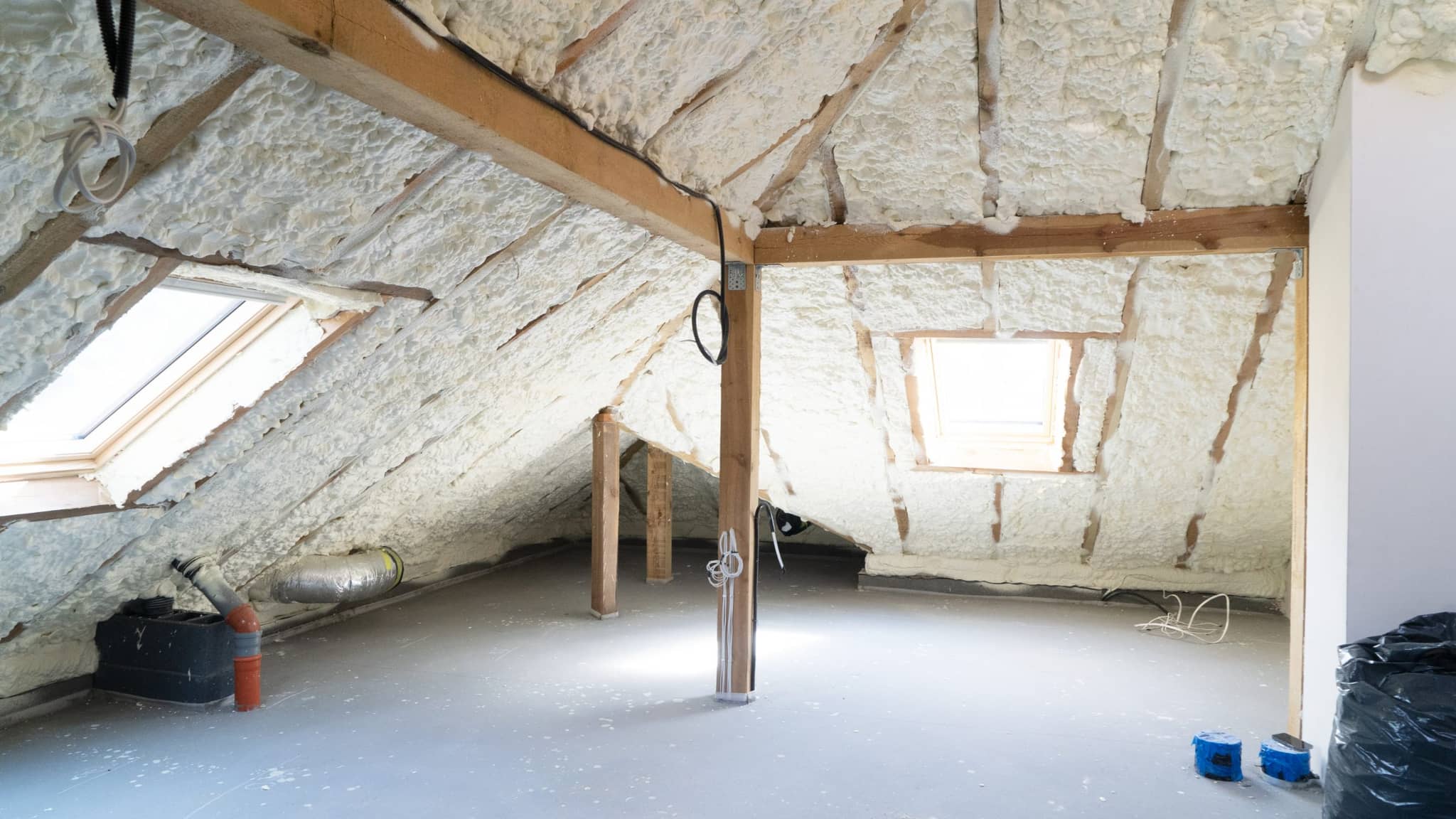
Attic with spray foam insulation between the roof rafters, two roof windows and a bare floor

Attic Insulation & Knee Walls

Story-and-a-half homes often have knee walls with thin batts and open joist bays behind them, and that is how cold air reaches the upstairs bedrooms. We seal those bays, set baffles at the eaves so the soffit vents keep breathing, and blow cellulose or fiberglass to R-49 to R-60, the range the Department of Energy suggests for attics in a cold climate like ours. The hatch gets weatherstripped and insulated too. A well-insulated attic floor keeps the roof deck cold, which is also your best defense against ice dams.
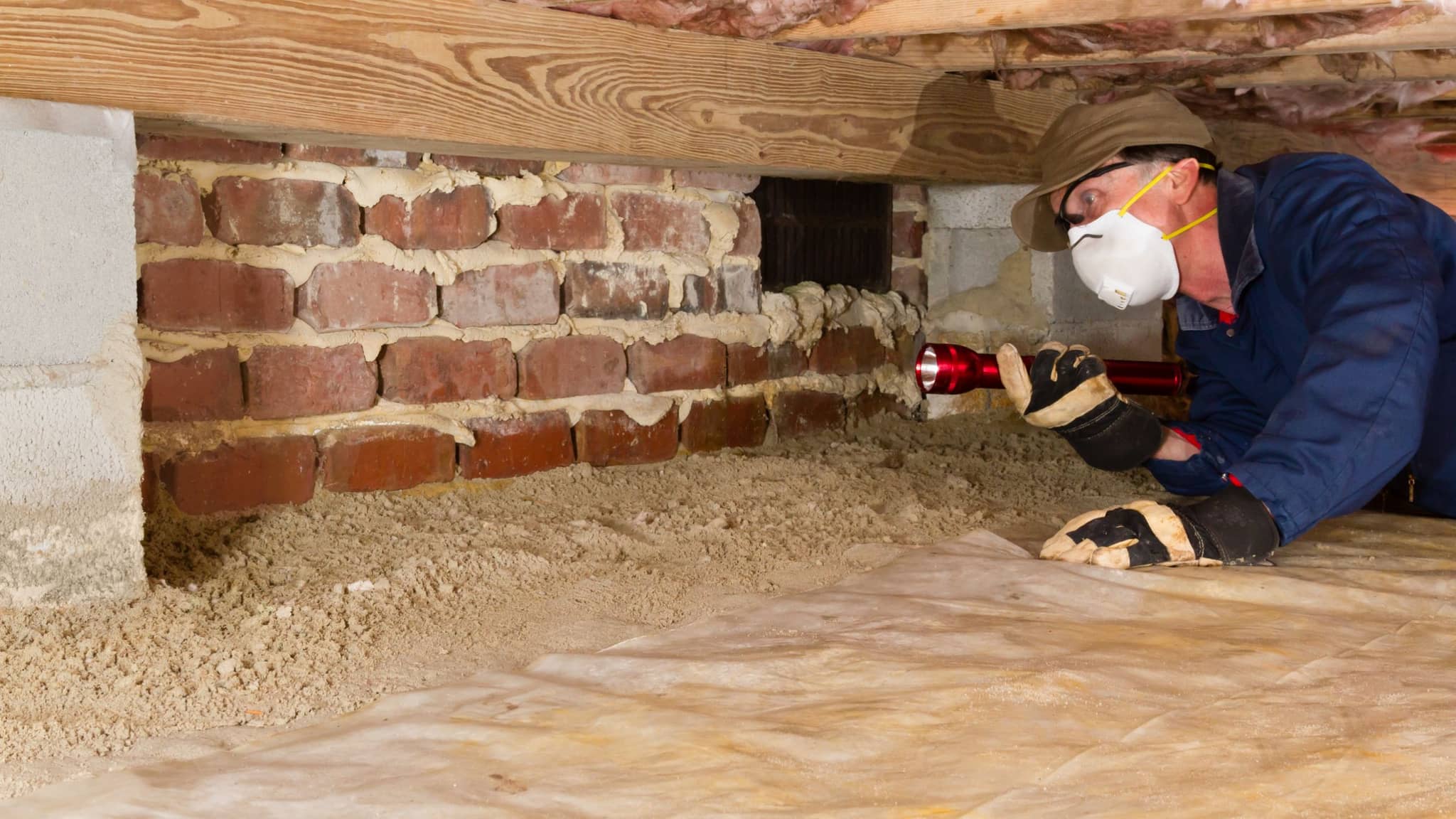
Technician with a flashlight and dust mask inspecting a crawl space with a vapor barrier over the ground

Crawl Space Insulation & Vapor Barriers

A dirt or gravel crawl under an addition or porch room pulls ground moisture into the floor all year. The usual fix is a heavy polyethylene vapor barrier over the ground, lapped and taped at the seams, with closed-cell spray foam or rigid board on the crawl walls and rim. The floor above stays warmer and drier. Some owners go further with encapsulation, a thicker liner run up the walls with the vents sealed. We can talk that through, but standing water, drainage and sump pumps belong to a waterproofing contractor, and you will hear from us if that needs to happen first.

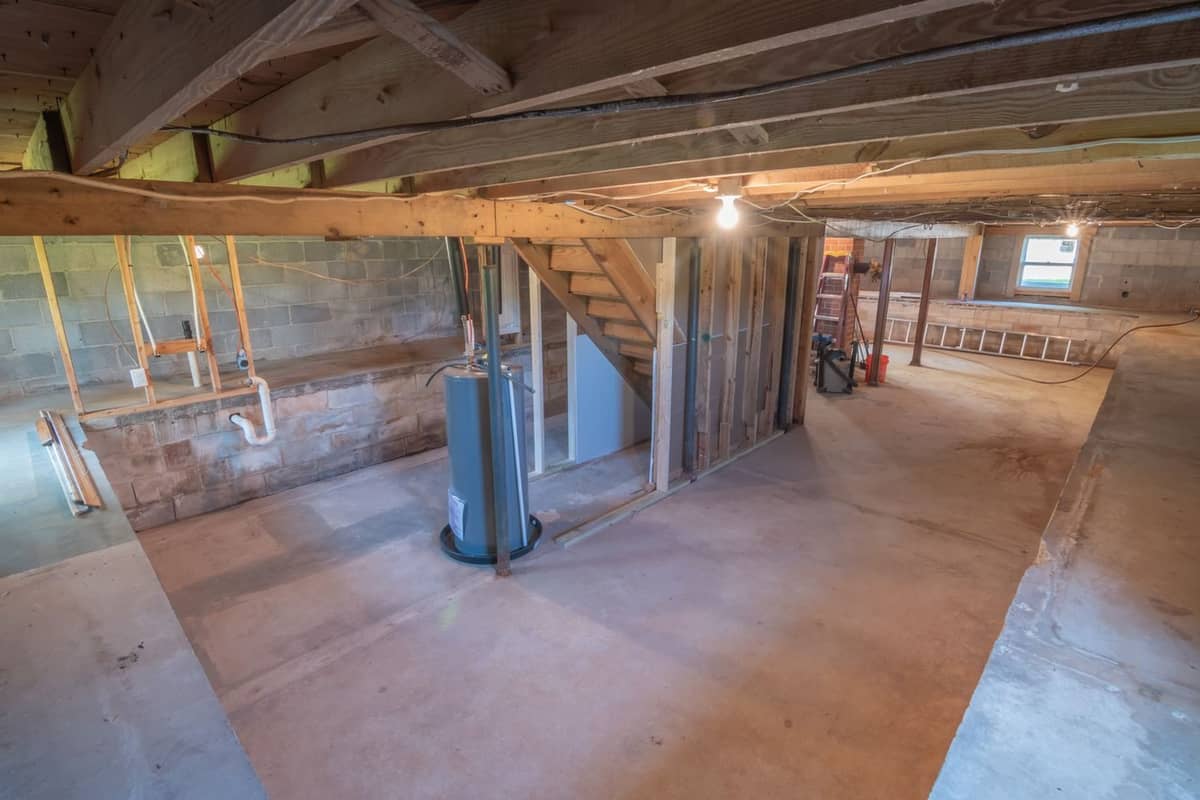
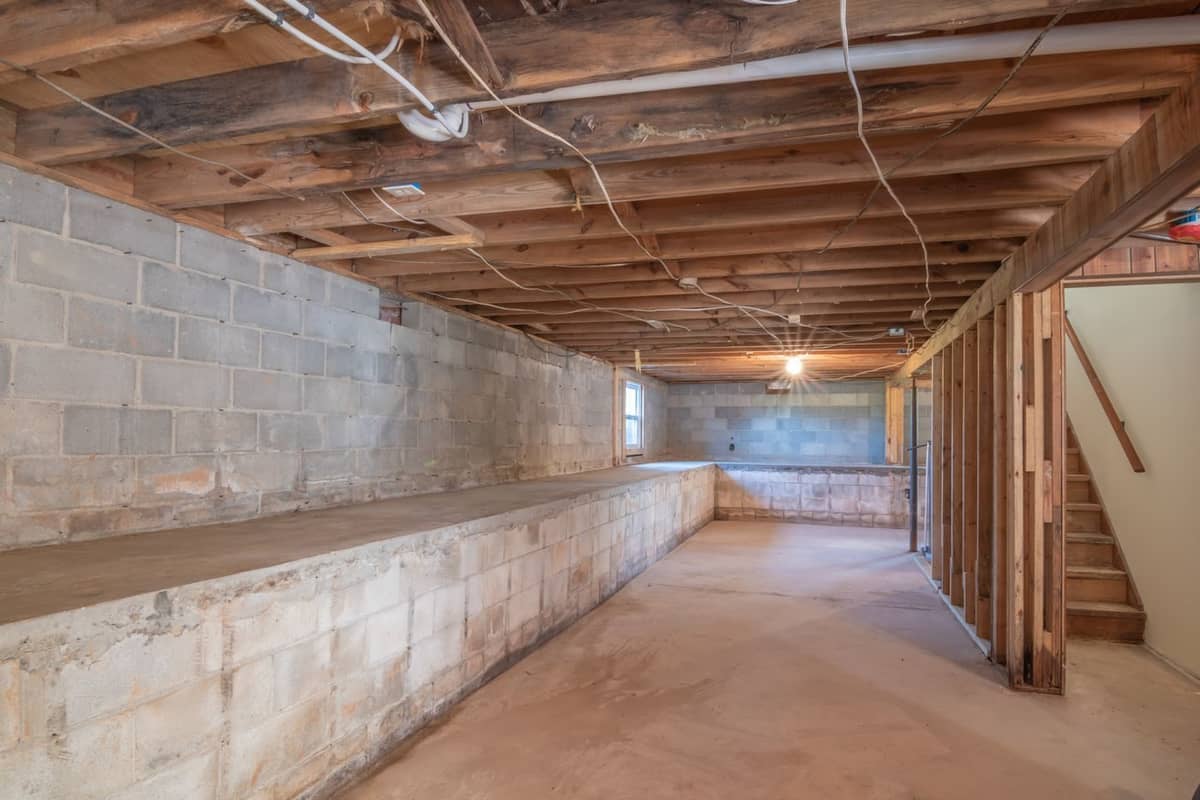
Unfinished basement with exposed floor joists resting on the foundation walls

Basement & Rim Joist Insulation

The rim joist is the band of framing sitting on top of the foundation, and in many older basements it has nothing but a stuffed-in batt or bare wood. On a below-zero night you can feel the draft with your hand. Two inches of closed-cell spray foam at the rim, roughly R-12 to R-14, seals and insulates in one pass. Basement walls can get rigid foam board or spray foam, covered with drywall or another thermal barrier where the foam needs one. Frost runs deep here, so the top of the foundation wall sits right in the cold.

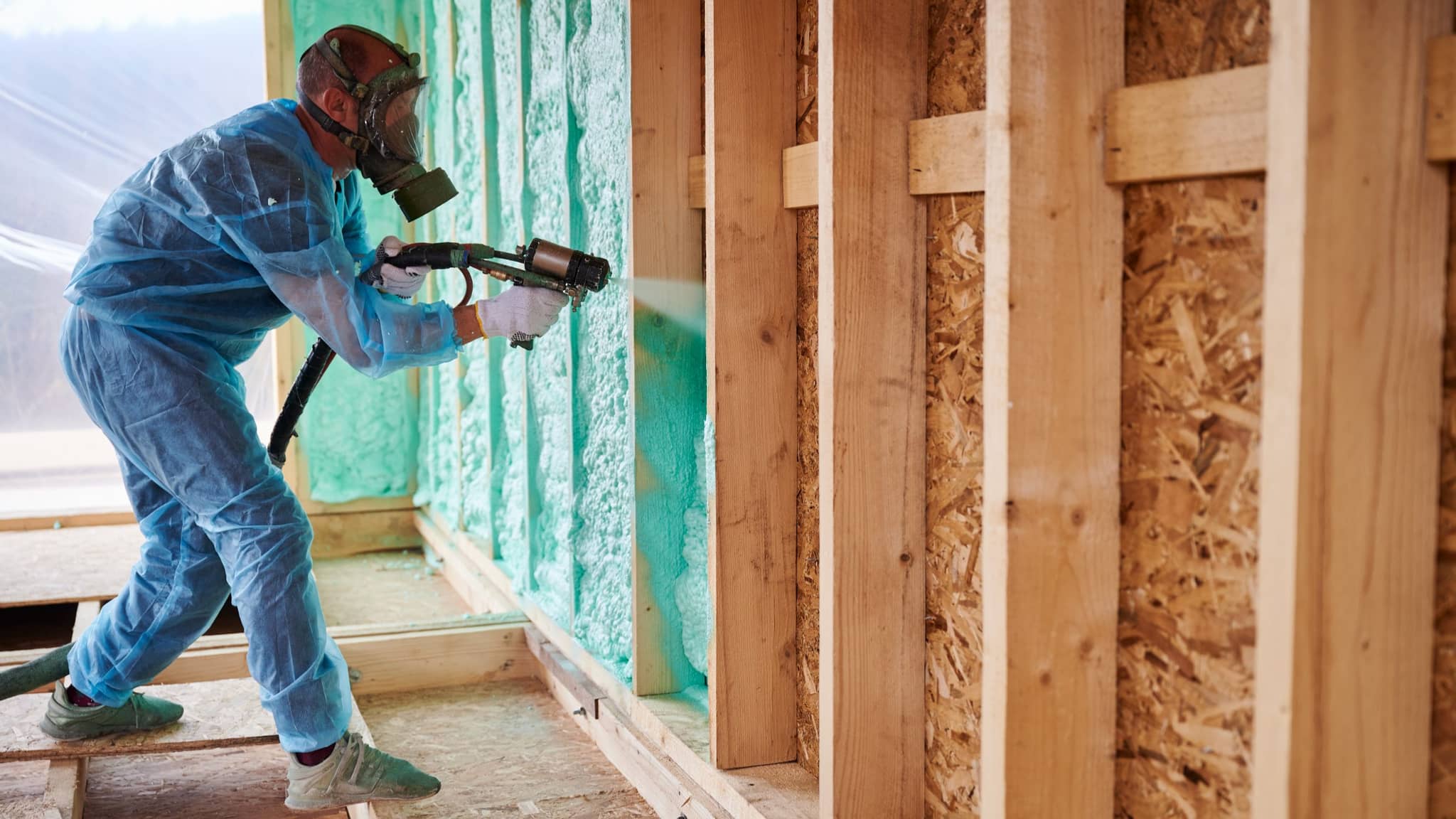
Installer in a protective suit and respirator spraying foam insulation into open wall stud bays

Wall Insulation & Dense-Pack

Plenty of houses built before the 1950s have empty wall cavities. Dense-pack is how most of them get insulated without tearing off plaster: we drill a row of small holes, usually from the outside after lifting a course of siding, and blow cellulose through a fill tube at about 3.5 pounds per cubic foot so it packs tight and stays put. Every bay gets filled top to bottom, the holes get plugged, and the siding goes back on. Drill-and-fill from the inside works too when the siding can't come off.

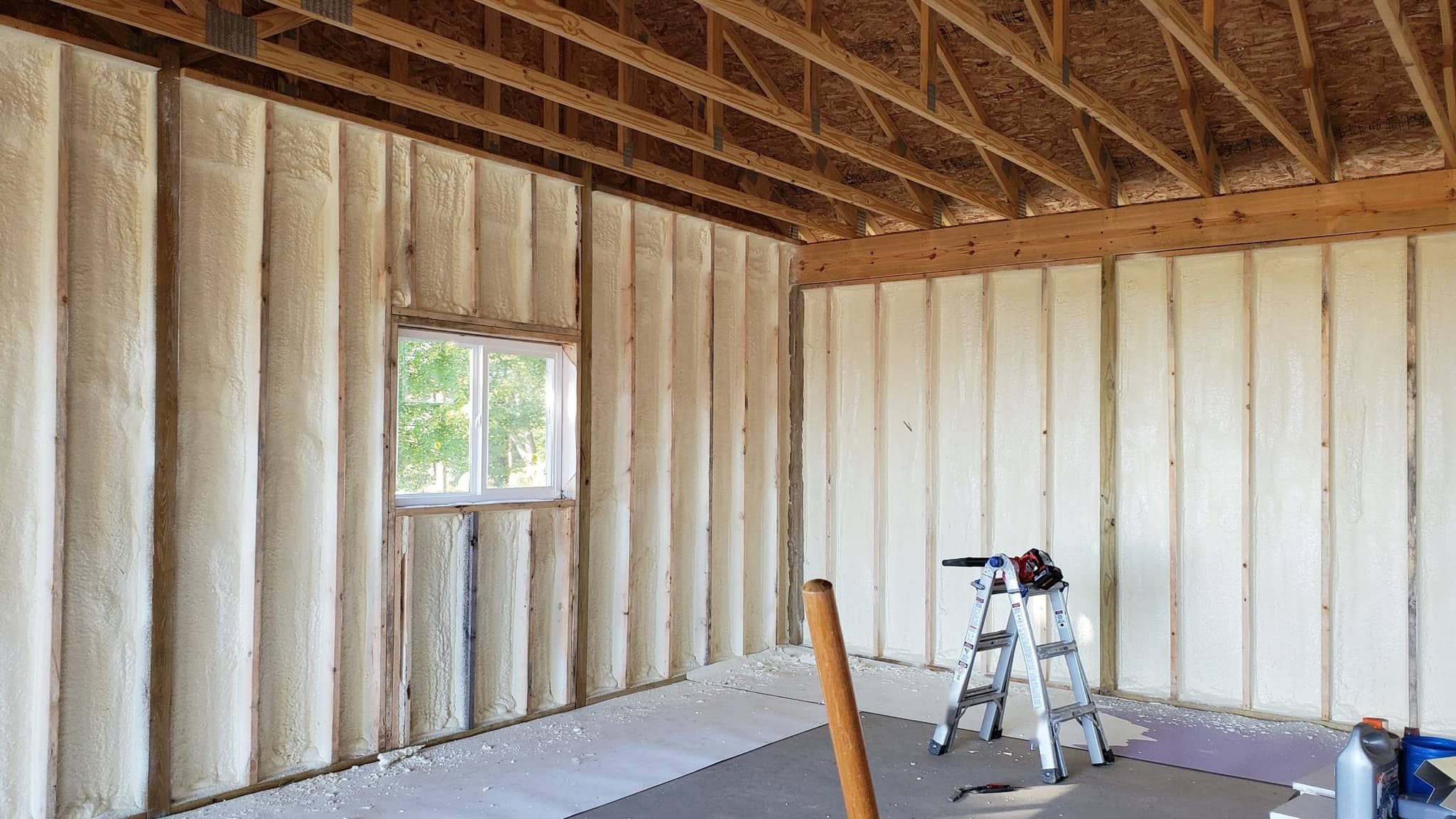
Garage interior with spray foam insulation on the stud walls and open roof trusses overhead

Garage Insulation

An attached garage shares at least one wall with heated rooms, and every time the big door opens in January that wall takes the hit. Insulating the shared wall, sealing the rim and the framing around the service door, and adding insulation to the garage ceiling below any living space keeps that cold out of the house. Open walls usually get batts or spray foam; finished walls can be dense-packed. If you heat the garage as a shop, insulating the outside walls and ceiling cuts the heater's run time.

Exposed floor joists and subfloor seen from below in an unfinished space

Floor Insulation

A room over an unheated garage, a vented crawl space or a cantilevered bump-out loses heat straight through the floor, and you notice it in bare feet. The fix is filling the joist bays from below: batts held tight against the subfloor with wire supports, or spray foam where pipes and ducts make batts hard to fit. Cantilevers often need the soffit opened and air sealed before any insulation goes in. This card covers the floor itself; the crawl space below is its own job.

Ice Dam Prevention, Air Sealing & Insulation Removal

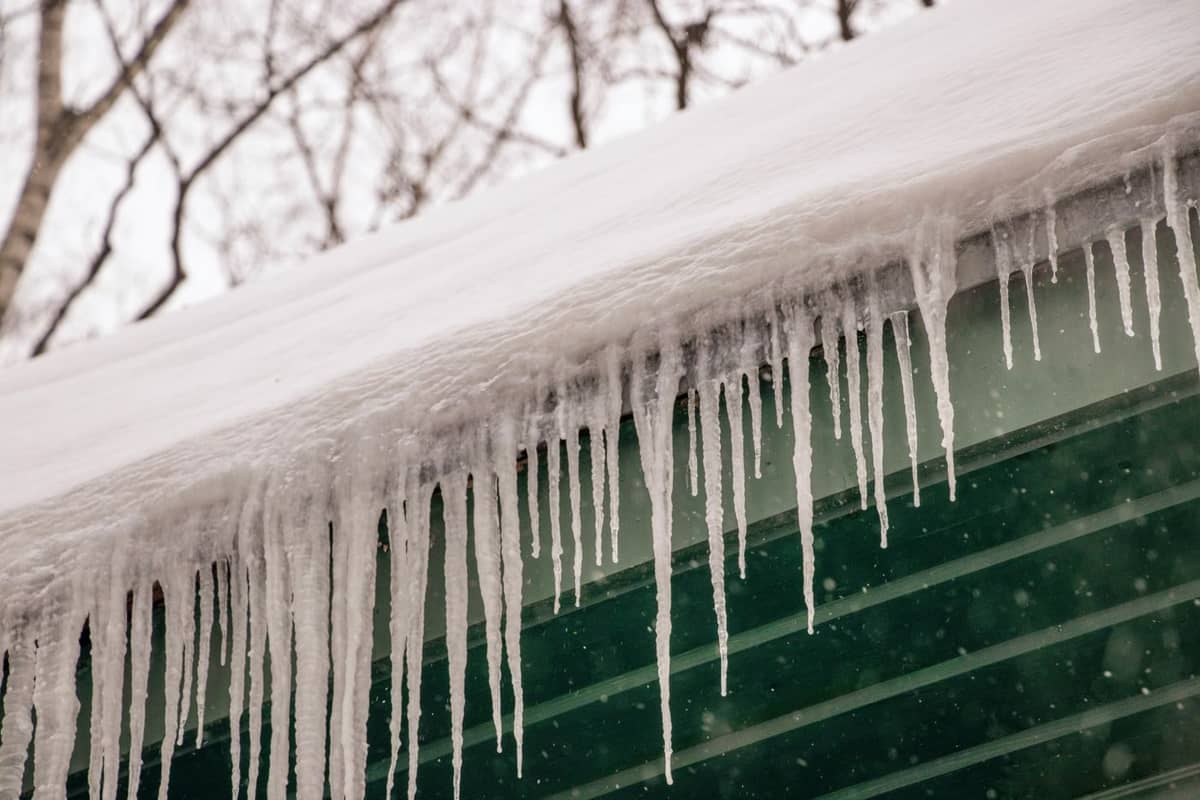
Thick icicles hanging from a snow-covered roof edge

Ice Dam Prevention & Attic Ventilation

Ice dams start inside the house. Warm air leaks into the attic around light fixtures, plumbing stacks and the hatch, the roof deck warms, snow melts, and the water refreezes at the cold eaves. Raking the roof treats the symptom for a week. Sealing those leaks, adding baffles so soffit air can reach the ridge or roof vents, and bringing the insulation up to depth keeps the whole roof cold. Shingles, flashing and ice-and-water shield are roofing work, so we stay on the attic side.

Water-stained roof boards with mold growth on the underside of an attic roof deck

Attic Mold & Moisture Problems

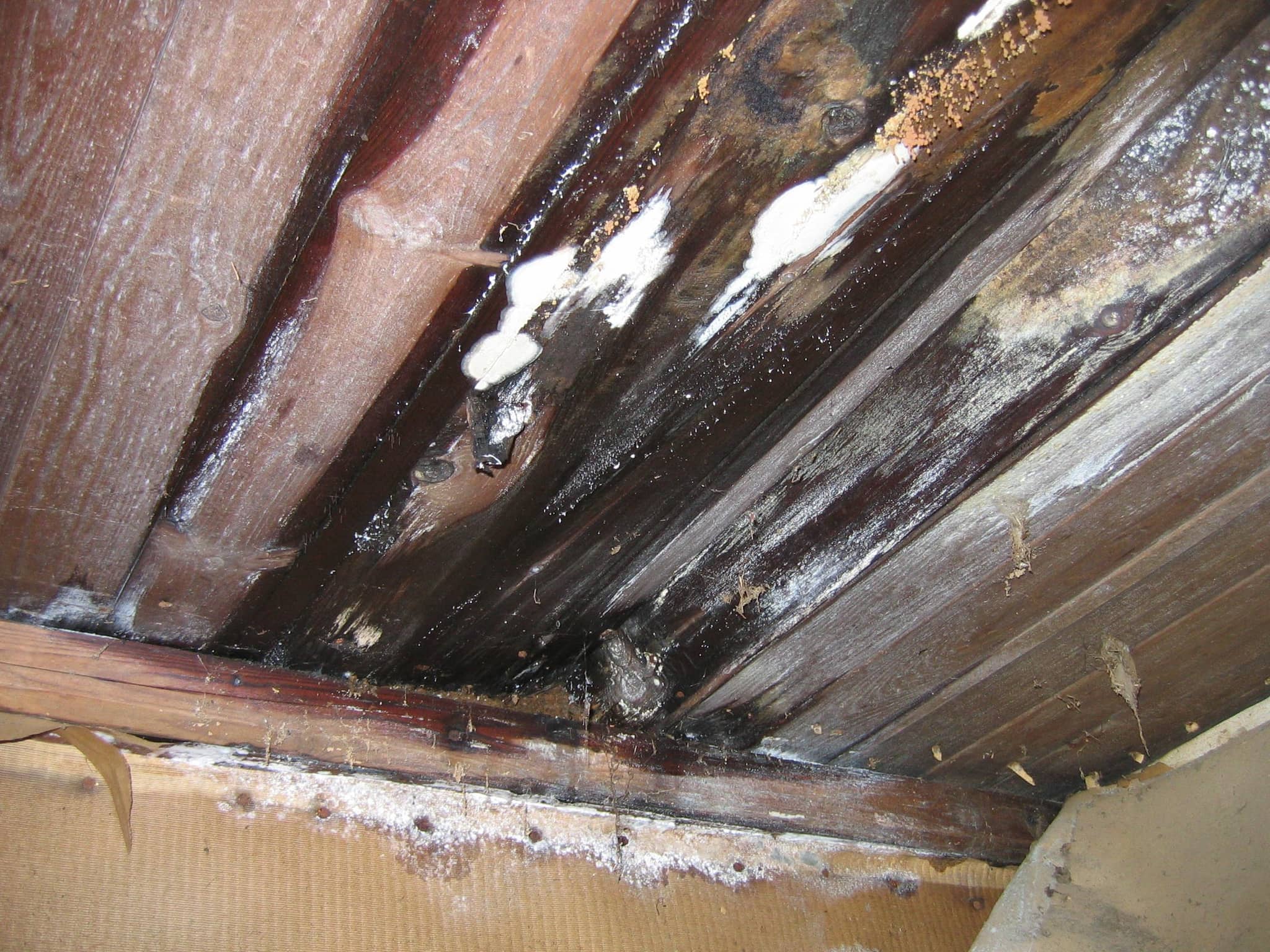
Dark stains on the roof boards, frost on the nail tips in February, or insulation that feels damp all point to warm, moist house air reaching a cold attic and condensing. Bath fans that dump into the attic are a common cause. We seal the air leaks, run fan ducts to the outside, open blocked vents, and replace wet or packed-down insulation. Cleaning or treating active mold is a separate trade. Our part is stopping the moisture that fed it.

Wall cut open along the bottom with old pink insulation exposed above and a push broom on the floor

Old Insulation Removal & Replacement

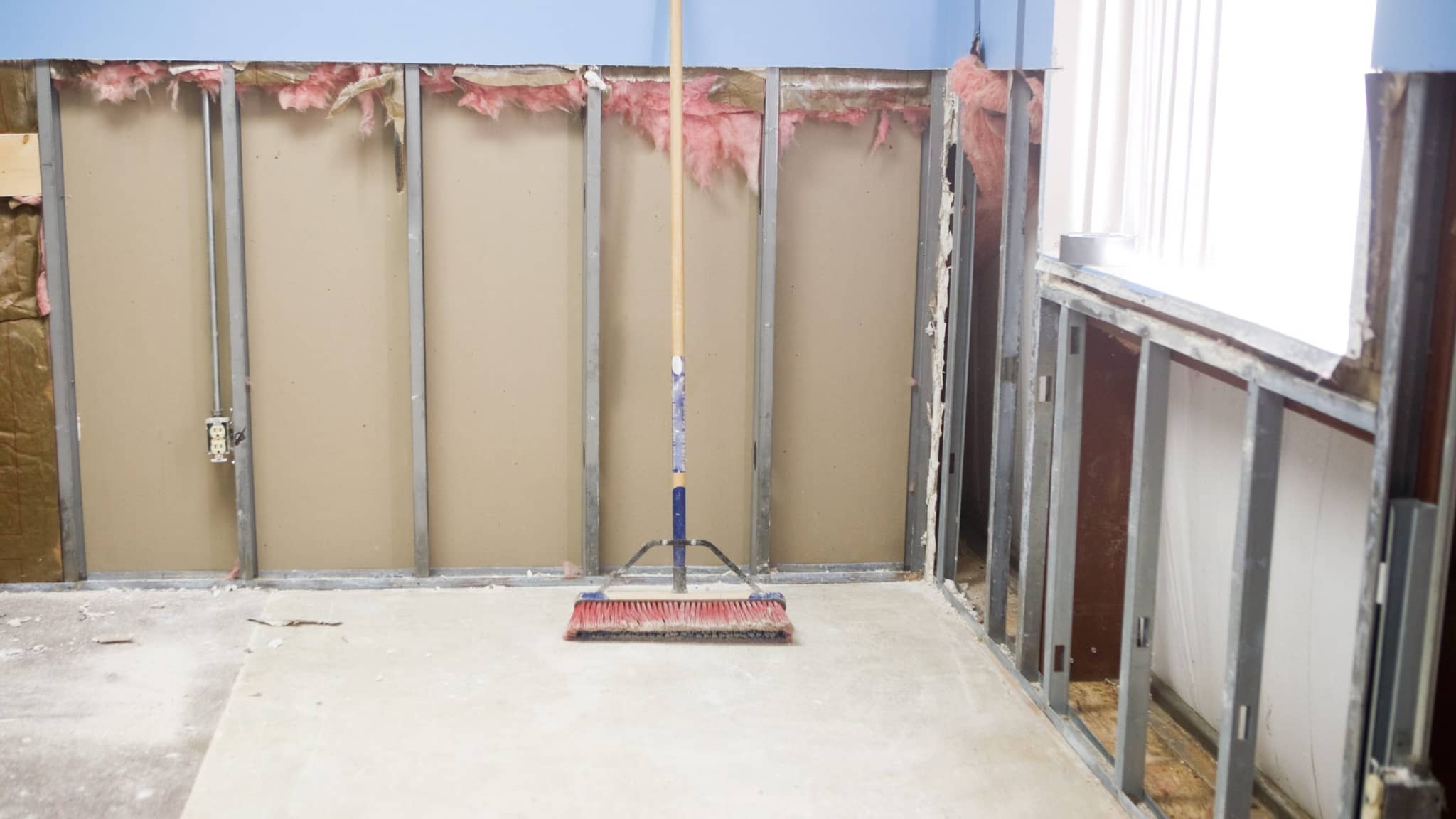
Some insulation has to go before anything new goes in: cellulose soaked by an old roof leak, fiberglass full of mouse droppings, or fill that has settled into a few dusty inches. A commercial insulation vacuum pulls it through a hose into large bags outside, so nothing gets carried through your living room. With the attic floor bare, the top plates and penetrations get sealed, then new blown-in or spray foam goes down. Gray-brown, pebbly vermiculite needs testing before anyone disturbs it. And if a top-up is all you need, we will say so.

Technician reading the gauge on a blower door fan set in a doorway

Home Energy Audits & Air Sealing

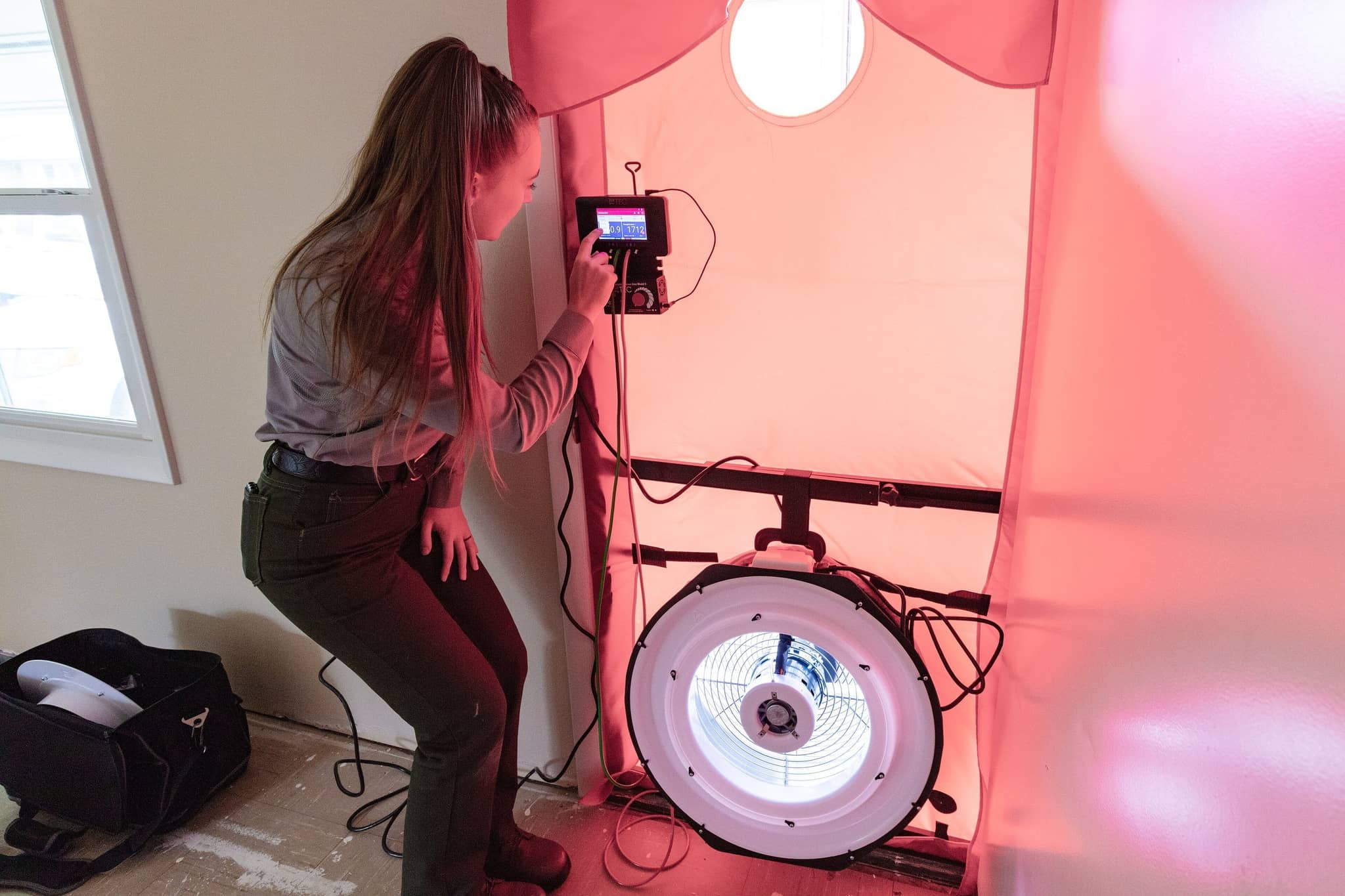
Before spending money on a big insulation job, find out where the heat is going. A visit starts in the attic and basement: checking insulation depth, gaps around recessed lights, chimneys and plumbing stacks, the attic hatch, and the rim joists. On some homes a blower door test, a calibrated fan that pulls air out of the house, shows how leaky it is and where the worst spots are. Sealing those leaks with foam, caulk and weatherstripping often does as much for comfort as the insulation that follows.

Commercial & Pole Barn Insulation

Warehouse interior with tall steel pallet racks and a high ceiling

Commercial Building & Warehouse Insulation

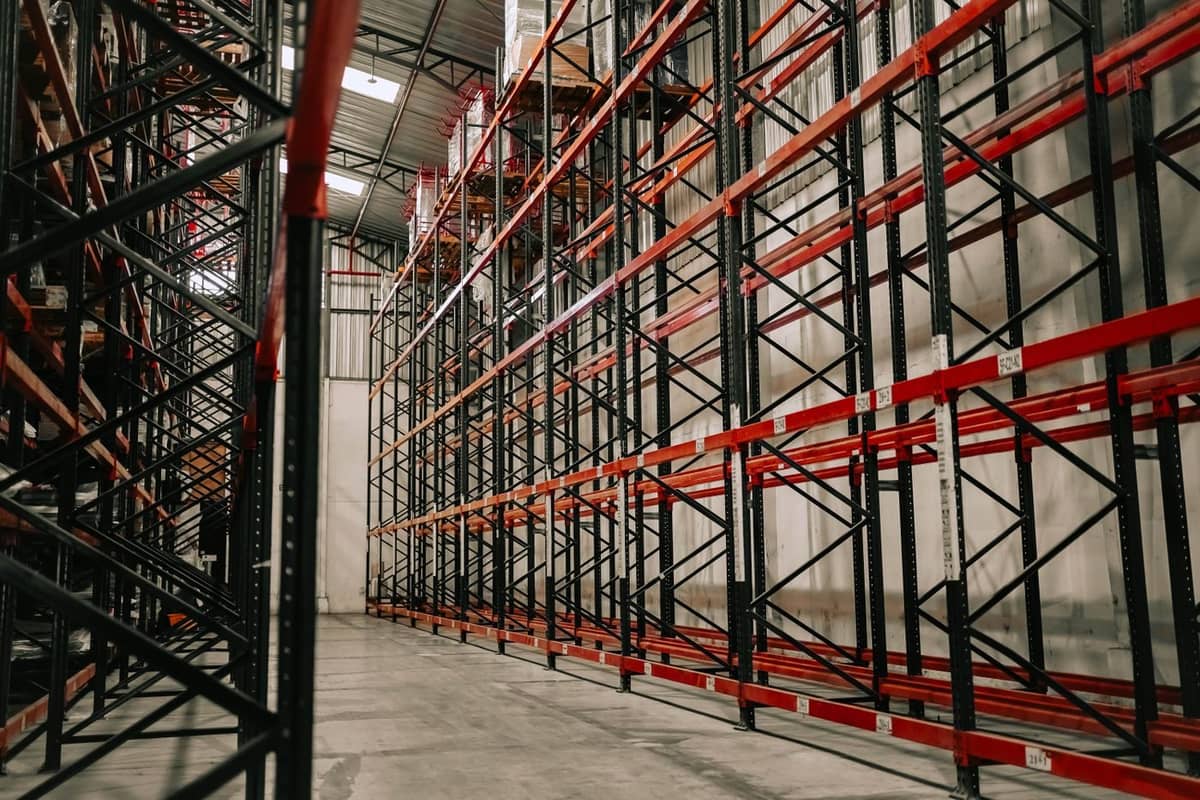
Warehouses, light industrial spaces and retail buildings lose heat through high roofs and long walls, and every loading dock door that opens in January makes it worse. Depending on the building, spray foam on the roof deck, an insulated liner system, or faced batts may be the right call. Work can be scheduled after hours or in sections so your floor keeps running.

Empty steel shop building with metal wall panels and a smooth floor

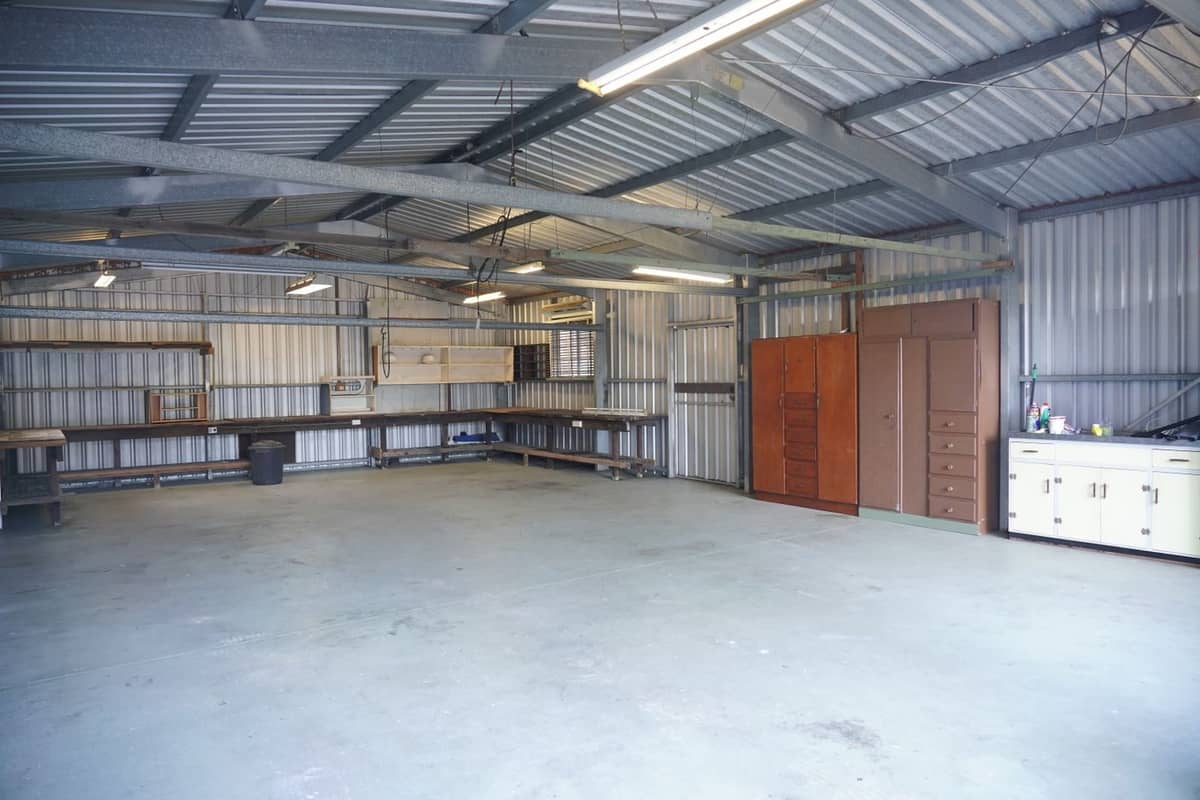
Metal Building & Shop Insulation

Steel buildings sweat. On a cold morning, warm, damp air inside hits bare steel, condenses, and drips on equipment and the floor. Closed-cell spray foam sprayed straight onto the panels and purlins stops that because it is airtight and works as its own vapor retarder. A liner system is the other common route. Either way, a heated shop holds its temperature with far less fuel.

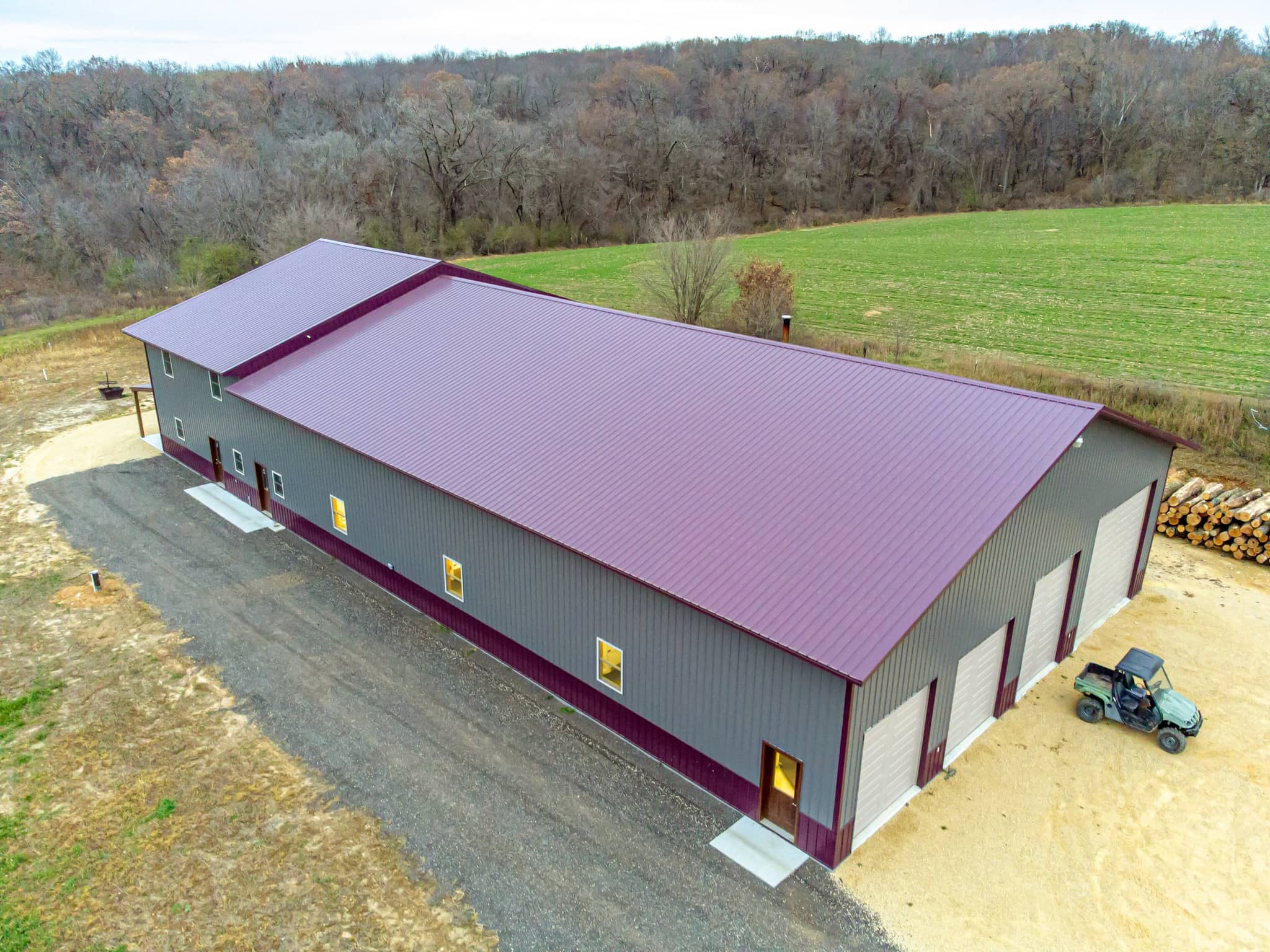
Steel post-frame shop building with a metal roof and overhead doors beside a farm field

Pole Barn Insulation

Post-frame buildings are everywhere in western Wisconsin: farm shops, machine sheds, hobby garages. Insulating one means working around wide post spacing, girts and a steel roof that drips if it isn't handled right. Closed-cell spray foam on the walls and roof, or a liner ceiling with blown-in above it, are the two usual approaches. How you use the building and whether you heat it decide which one fits.

Types of Insulation We Install

Closed-Cell & Open-Cell Spray Foam

Closed-cell foam runs about R-6 to R-7 per inch, is dense enough to act as a vapor retarder, and stiffens whatever it is sprayed on. That makes it the pick for rim joists, crawl walls and metal buildings. Open-cell foam is softer, about R-3.5 to R-3.8 per inch, seals air well and costs less per inch, so it suits rooflines and interior cavities where moisture is not a concern. Both are sprayed by a trained crew in protective gear.

Blown-In Insulation

Blown-in describes how the insulation goes in: loose cellulose or fiberglass fed through a machine and a long hose. On an open attic floor it fills around wires, joists and blocking where batts leave gaps, and it is the quickest way to add depth over what is already there. In closed walls, the same machine dense-packs cellulose. Depth is what you are paying for, so it gets measured.

Cellulose Insulation

Cellulose is mostly recycled paper fiber treated with borate for fire and pest resistance. It runs about R-3.2 to R-3.8 per inch, and its density slows air movement better than loose fiberglass. That is why it is the standard for dense-pack walls and a common choice for attic floors. Loose cellulose settles a little, so installers blow it slightly past the target depth.

Fiberglass Batt Insulation

Batts are pre-cut blankets of fiberglass, kraft-faced or unfaced, sized for 16- or 24-inch stud and joist spacing. They are the usual choice for open walls in additions and remodels. The install decides how well they work: a batt has to be split around wires and pipes, not crammed behind them, and in a Wisconsin house the kraft facing goes toward the heated side. Gaps and compressed spots cut the rated R-value fast.

Mineral Wool Insulation

Mineral wool, also called rock wool, is spun from stone and slag. It holds about R-4 per inch, handles high heat without burning, and blocks sound better than fiberglass, which is why it shows up in walls between bedrooms or around a home theater. It costs more than fiberglass, so you will see it on specific jobs more often than as the default for a whole house.

Rigid Foam Board

Foam board comes in three main kinds: EPS (white beadboard, about R-4 per inch), XPS (about R-5 per inch) and polyiso (foil-faced, about R-6 per inch). It goes on basement walls, rim joists and crawl walls, and under slabs. Most foam board has to be covered with drywall or another approved barrier when it is left exposed in a living space, so plan that into a basement job.

Our 6-Step Insulation Process

  1. In-Home Assessment

    We go through the attic, basement or crawl space and the walls, measure what is there, and ask where the house feels cold.

  2. Written Scope and Material Recommendation

    You get the areas, materials and target R-values in writing, so you know what you are paying for.

  3. Old Insulation Removal if Needed

    Wet, dirty or worn-out insulation gets vacuumed out and bagged outside. Good insulation stays.

  4. Installation

    Floors and the path in get covered, then the insulation goes in to the depth or thickness on the scope. The work area gets swept before we leave.

  5. Air Sealing

    Gaps at top plates, the hatch, and plumbing and wiring holes get sealed so drafts don't undercut the new insulation.

  6. Final Walkthrough

    We walk the job with you, show you what was done, and answer questions before packing up.

Installer in a respirator working with insulation inside a tight crawl space

How Much Does Insulation Cost in Eau Claire, WI?

Insulation prices swing a lot from one house to the next. The material, the R-value you are aiming for, the square footage, whether old insulation has to come out, how hard the space is to reach, and how much air sealing the house needs all move the number. The ranges here are national averages from published cost guides, not our prices. Your written estimate is based on your house.

Attic Insulation Cost

Attic jobs are priced by the square foot of attic floor. Blowing new insulation over what is already there costs much less than a full tear-out and re-insulate, and batts tend to run a little higher in labor because each one is cut to fit.

Spray Foam Insulation Cost

Spray foam is usually the highest line on an estimate. It is often priced per board foot (one square foot, one inch thick), and closed-cell costs more per board foot than open-cell because it is denser. A rim joist job is small; a full roof deck is a big one.

Blown-In Insulation Cost

Topping up an attic whose current insulation is dry and clean is the cheapest way to add R-value. A full re-insulate costs more because removal and air sealing come first and the new layer is deeper.

Crawl Space Insulation Cost

Price follows the size of the crawl, whether the walls or the floor above get insulated, and whether a vapor barrier goes down. Full encapsulation with drainage, a sump and a dehumidifier is a bigger project that waterproofing companies usually bid.

Rebates & Energy-Efficiency Programs

Wisconsin homeowners and businesses may qualify for rebates or incentives on insulation and air sealing through Focus on Energy, the statewide energy-efficiency program. Offers, eligibility and amounts change, so check what Focus on Energy or your utility is running now and bring it up at your estimate so the work can be planned to fit the program.

Want a number for your house instead of a national average?

Call (715) 705-4327
Typical installed cost ranges, national averages
ProjectTypical range
Attic insulation, installed$1 to $4 per sq ft; most jobs $1,000 to $2,700
Blown-in attic insulation$0.90 to $2.40 per sq ft; $900 to $3,600 total
Spray foam in an attic$1.50 to $5.00 per sq ft ($0.60 to $2.90 per board foot)
Spray foam project, any areaMost projects $1,455 to $4,337
Crawl space insulation$2,600 to $16,900; about $3,550 for 1,000 sq ft
Old attic insulation removal$1 to $2 per sq ft for clean, dry material
Attic insulation, full calculator estimate$3.74 to $7.72 per sq ft

Sources: HomeGuide attic, blown-in and removal cost guides (2026); Angi spray foam and crawl space cost guides (2026); Homewyse attic insulation calculator (September 2026). National figures, not quotes from Eau Claire Insulation Pros.

Insulation in Chippewa Falls, Altoona, Lake Hallie & Menomonie

We insulate homes and businesses across the Chippewa Valley, starting in Eau Claire, WI and reaching out to Chippewa Falls, Altoona, Lake Hallie and Menomonie.

Older houses near downtown, newer subdivisions on the edge of town, and farm shops and pole barns out in the county all get the same free estimate.

  • Eau Claire, WI
  • Chippewa Falls, WI
  • Altoona, WI
  • Lake Hallie, WI
  • Menomonie, WI
Get My Free Estimate

Insulation FAQs

How long does it take to insulate an attic?

Most attic top-ups with blown-in insulation take one day. A job that includes removing old insulation and air sealing the attic floor usually takes one to two days, and spray foam on a roof deck can take longer depending on size.

Do I need to remove old insulation before adding more?

No, not always. Dry, clean insulation can stay, and new blown-in goes right over it. Insulation that is wet, moldy, full of rodent waste, or in the way of air sealing should come out first. Vermiculite needs testing before anyone disturbs it.

Spray foam or blown-in: which one should I choose?

Each one fits different spots. Closed-cell spray foam is the better choice for rim joists, crawl walls, metal buildings and anywhere you need an air and vapor seal in one step. Blown-in cellulose or fiberglass is the better value for open attic floors and dense-pack walls.

Will more attic insulation stop ice dams?

No, not by itself. Ice dams come from warm air leaking into the attic and warming the roof deck. Air sealing the attic floor, keeping soffit-to-ridge ventilation open, and then adding insulation to the right depth together keep the roof cold enough to stop most ice dams.

Is crawl space insulation the same as encapsulation?

No. Crawl space insulation means a vapor barrier on the ground plus insulation on the crawl walls, rim or floor above. Encapsulation adds a heavier liner up the walls and sealed vents, and often a dehumidifier. Standing water and drainage problems are waterproofing work and should be fixed first.

Can you insulate walls without removing drywall or plaster?

Yes. Dense-pack cellulose goes in through small holes drilled from the outside under the siding, or from the inside when siding can't come off. The holes get plugged and patched when the bays are full.

Are there insulation rebates in Wisconsin?

Yes. Focus on Energy, Wisconsin's statewide energy-efficiency program, offers rebates and incentives that can cover qualifying insulation and air sealing work. Offers and eligibility change, so check the current programs with Focus on Energy or your utility before the job starts.

Do you insulate pole barns and metal shops?

Yes. Pole barns, machine sheds and steel shops are common jobs around the Chippewa Valley. Closed-cell spray foam stops the dripping condensation steel buildings get in winter, and a liner system with blown-in above is another option for heated buildings.

Cold rooms, big heating bills or ice on the eaves?

Tell us about the house or building and we will set up a free estimate.

Snow-covered trees and houses on a residential street on a winter evening
Call NowGet My Free Estimate